



how to reduce home Energy Bills
There are many factors that affect how much it costs to heat a home. We explain some of the best ways to be comfortable and save money based on our experience with hundreds of customers and input from our 300 members.
We’ve split this guide into two sections. First, we’ll cover how to make heat efficiently. Second, we’ll explore how you can reduce the amount of heat you need.
Quick Tips: How to Heat Your Home Efficiently:
- Optimise your boiler: Lower the flow temperature so it stays in “condensing mode.”
- Upgrade to Heat Pumps: Achieve 300-400% efficiency compared to 100% for electric.
- Heat the person, not the room: Use heated throws and wear layers.
- Stop the draughts: Seal skirting boards, chimneys, and loft hatches.
- Don’t micro-manage: Avoid turning heating fully off for short periods; use “setback” temperatures instead.
Section 1: Make Heat Efficiently
Electric Heating (not heat pumps): are ALWAYS exactly 100% efficient
Beware! There are many unreliable online advertising claims about ‘super efficient home heaters’. However the basic physics don’t change. If you are using electric heaters then the efficiency of electric heating is always 100%. That means one unit of electricity makes one unit of heat.
This is true for electric panels, oil-filled radiators, storage heaters, fan heaters, electric fires. These are all kinds of ‘resistive’ heating. It’s the same technology as kettles and toasters.
However successive UK governments have chosen to make electricity very expensive so this efficiency does not translate to low bills. Even if have storage heaters the night rate doesn’t compensate, especially when they can overheat the property during the day and be cold by evening.
Beware! There are many unreliable online advertising claims about ‘super efficient home heaters’.
Replace Electric Heating with Air to Air
If you have ‘dry’ electric heating – that means without water-filled radiators – then we upgrading to an air to air heat pump, especially in smaller properties and flats outdoor space or balconies. This kind of heat pump is relatively inexpensive and can cut bills by over 67%. And it can cool your property in summer, which is important to many newer flats that can overheat in summer.
Gas boilers: between 70-93% efficient
The efficiency of a gas boiler, or how much of the gas you buy gets turned into heat in your home, depends on two main factors. First, is yours a ‘condensing’ type boiler that became compulsory for new installations in 2005? And second, if it is a condensing type boiler, is it set up with the right radiators and controls to actually operate in the more efficient condensing mode?
You can identify a condensing boiler if you see a plastic pipe coming out of the bottom. This pipe takes condensed water away to a drain. Condensing boilers can be set up either as ‘combi boilers’ – providing hot water to taps instantly, or ‘system boilers’ – providing hot water to a hot water tank or cylinder.
These boilers are supposed to be more efficient as they take the heat out of the steam that is produced when gas burns, turning it into a liquid and sending that extra heat to the radiators. However, due to weak regulation many boilers don’t actually operate in efficient condensing mode. That’s because either the radiators are too small, or the right controller isn’t installed, or it was never set up correctly. The basic problem is the boiler is operating with too big a flame and sending water to the radiators that is too hot.
One study found that on average, combi condensing boilers achieve 83% efficiency instead of the 90-93% which appears in their marketing. That means that since 2005, gas bills have been 12% higher than they needed to be!
What should you do?
If you see a big cloud of steam outside coming from your boiler flue then chances are you can get more heat from your gas bill. If you’re planning on staying in the property for a while and you can’t (or don’t want to) upgrade to a heat pump, then it may make sense to optimise your boiler.
Optimisation may involve upgrading radiators to a size that can deliver enough heat at lower operating temperatures
Quick fixes include
- Making sure that most radiator valves are not set to low temperatures,
- Instead set the temperature you want on the thermostat/ controller. Don’t repeatedly switch the boiler on and off.
- Reducing the flow temperature on the boiler controls. See this guide from Nesta for more information.
At Loco Home we can perform the calculations your gas engineer (or one we can recommend) will need to select the right radiators and control settings to optimise your boiler for efficiency.
Heat Pumps: 300-400+% efficient
Heat pumps with water-filled radiators achieve 300-400% efficiency if installed well, overcoming the price difference with gas when used with a smart tariff.
Heat pumps work well in any type of house. However it can be difficult and expensive to have them installed to a good standard. At Loco Home we have independent, expert services dedicated to helping you make the upgrade with confidence.
Change your energy tariff
Shopping around for a better tariff used to be the main way to save money on your heating bill. But since Russia’s invasion of Ukraine all standard energy tariffs are at or near the limit set by the regulator Ofgem.
If you can shift when you use electrical appliances, one way to reduce the price you pay for each unit of electricity is to use a smart tariff. These use a smart meter to encourage you to avoid the peak period of 4 to 7pm.
Section 2: Reduce The Amount Of Heat You Need
Heat the person not the space
An obvious one, but wear socks, slippers and a jumper.
An electric heated onesie means you don’t need to heat the room so much. However breathing cold air for an extended period can be bad for your health, especially for the old, very young or those with respiratory problems.
Heat the spaces you need
If a room is not being used, turn the radiators down to a low temperature (but not off) and close the door. This reduces the average temperature of the property, reducing the speed at which the property as a whole loses heat.
There is a trade off with boiler efficiency in that if too many radiators are off, then the boiler can’t operate in efficient condensing mode.
Avoid turning the heating off for short periods
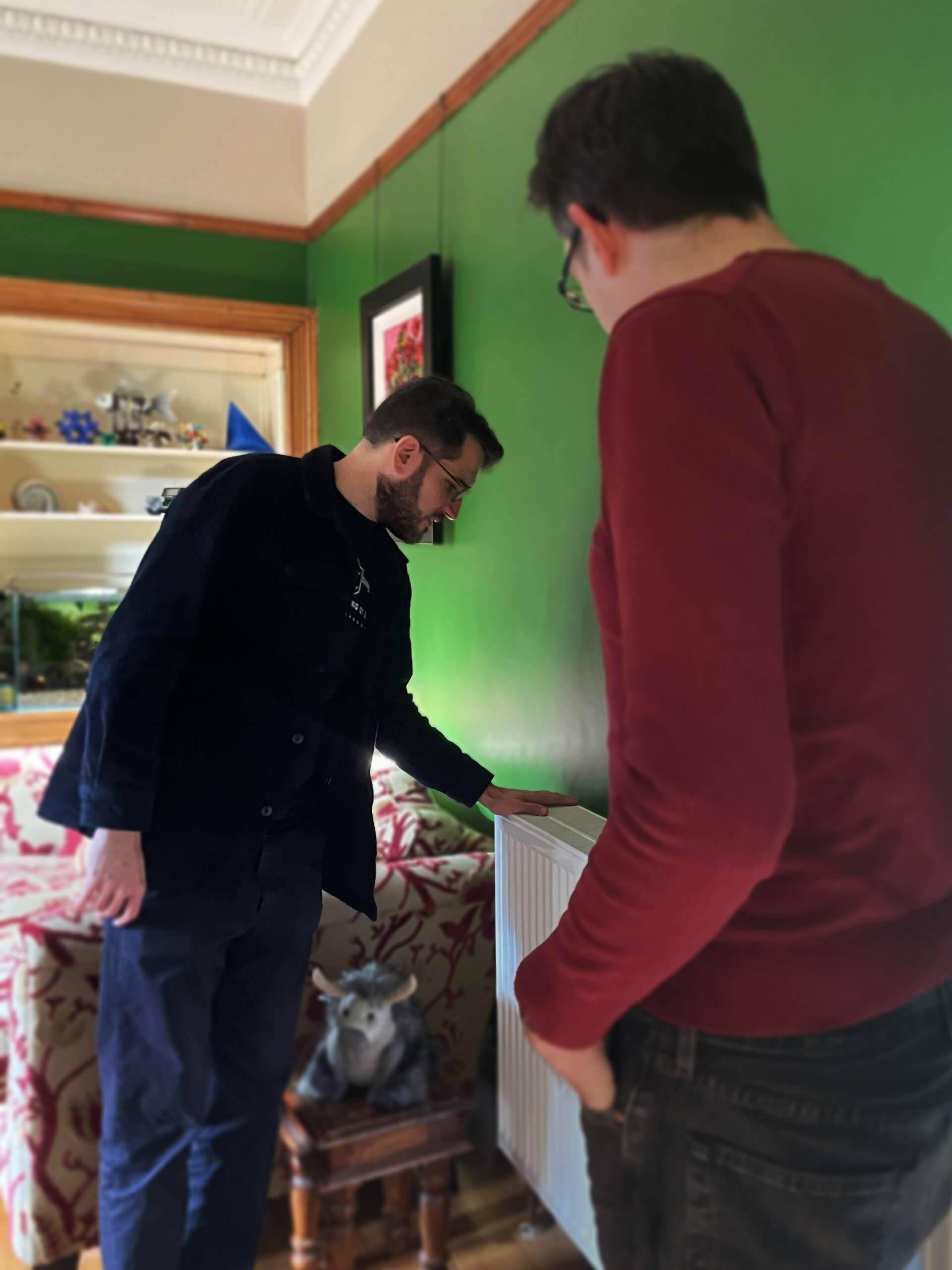
Turning the heating off for short periods rarely saves energy. That’s because a lot of heat is stored in the walls and furniture of the building. When you turn the heating back on then a) the home will feel very uncomfortable because you are surrounded by cold surfaces, and b) it will take a while to reheat the objects before you feel the air temperature rise, c) the boiler will have to operate at an inefficient, higher (non-condensing) temperature to reheat the property.
If you are going out for the day, set the thermostat to only a few degrees below your normal comfort temperature.
To minimise damp and mould during an extended absence, leave the heating ‘on’ with the thermostat no lower than to 14C.
Be careful with thermostatic radiator valves (TRVs)
TRVs can be confusing and are often a lot less useful than you might think. They don’t set the temperature the room should be heated to – that is done by the thermostat or controller. What they do is set the temperature at which the radiator turns off.
If too many TRVs are turned off then efficiency reduces because the heat source (boiler or heat pump) has nowhere to send the heat. So its working hard but not achieving much.
Usually the settings relate to the following temperatures:
- 1 = 10°C
- 2 = 15°C
- 3 = 20°C
- 4 = 25°C
- 5 = 30°C
We recommend you set TRVs to the max setting in the rooms you usually occupy. Set them to 2 in rooms that are out of use with door closed (to prevent damp)…
Set TRV to max in bedrooms but if it ends up too warm then ideally you should get a heating engineer to ‘balance’ the other valve at the other end of the radiator, which is called the lockshield valve. Or for temporary adjustments such as visitors who like a colder bedroom, turn the TRV down.
Make your home feel more comfortable
Air temperature is not the only factor that makes you feel cold. There are many relatively inexpensive things you can do to make your home feel more comfortable without turning up the heat.
Textiles feel warmer than hard surfaces. Rugs on top of tiles, curtains drawn over windows, fabric wall hangings all have the effect of increasing the radiant temperatures of the surfaces around you.
Draughts put cold air on the floor, force warm air to the ceiling and put a chill down your back. For cosier toes without turning the boiler up, make sure the seals on doors and windows are in good condition. Block chimneys – either temporarily or permanently. Fill gaps around skirting and floor boards with caulk, silicone or tape. Attach seals to the loft hatch. Fill every gap!
Remember to ventilate for healthy air. To prevent damp, take care to maintain sufficient ventilation. Open windows wide once for 30 minutes once or twice per day. Dry laundry outside if possible. Or install quiet, low flow continuous extraction fans in kitchens and bathrooms. Ventilation systems that recover heat from stale air are also available – ask us for advice.

Upgrade your home insulation
In the long run, upgrading insulation is the only way to make a significant difference to how much heat you need. Insulation and good ventilation also makes the home feel much more comfortable, improves your Energy Performance Certificate and increases the home’s value.
There are grants covering up to 75% of the cost as well as interest free loans for several forms of insulation available only from the Scottish Government / Home Energy Scotland.
If your budget is limited, prioritise lofts, draughts (as above), windows and, if there is access from below, suspended timber ground floors.
Loco Home’s Whole Home Plan service calculates the cost and impact of these measures on your home’s heat loss, bills, energy performance certificate and greenhouse gas emissions. We can help you identify the best course of action to fit your goals and budget, and make sure you can tap government grants.
Lofts
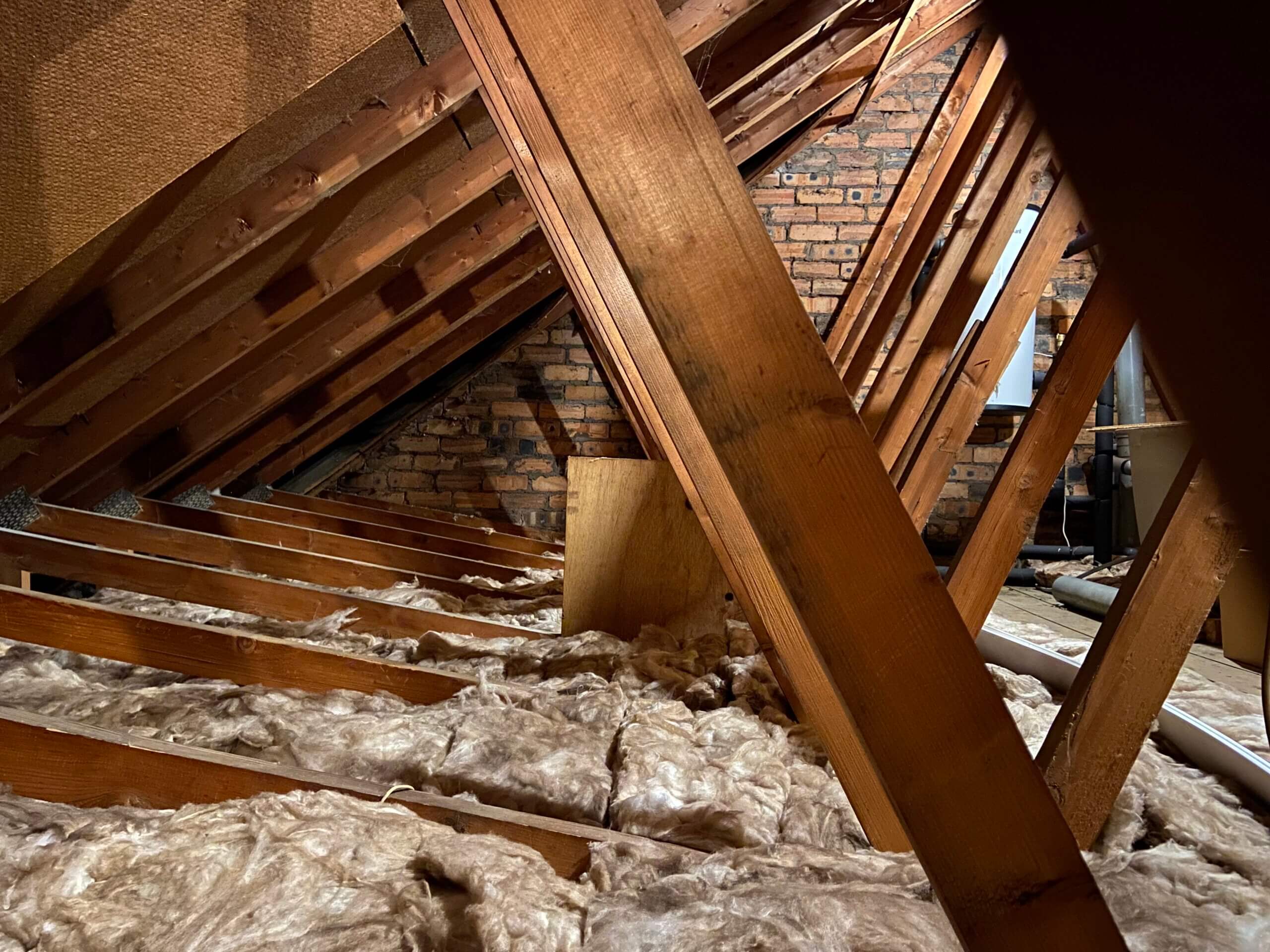
Lofts should ideally have 300mm (or at least 150mm) of insulation evenly spread across the whole top floor ceiling. Make sure insulation goes all the way into the eaves to reach the top of the wall.
Use a wool-like material that can be easily laid between joist joists then across the top. For example, mineral wool, recycled glass wool, woodfibre (blown or batts) or blown cellulose. These all have similar insulation properties.
Don’t use spray foam without independent expert advice (that is not ‘advice’ from an installer) as it can cause or hide damp and negatively impact your home value and insurance.
Don’t use foil on its own.
If you have downlighters then they should be air sealed to prevent draughts.
Don’t insulate the sloping roof unless the roof space is part of your living area. If you have a ‘room in the roof’ then take care with rigid insulation such as PIR board as it can be extremely difficult to install without leaving air gaps between the insulation and the rafters, which makes the insulation ineffective.
As part of our service, we can help you find the right person to carry out the work that we’ve advised for your home.
Windows
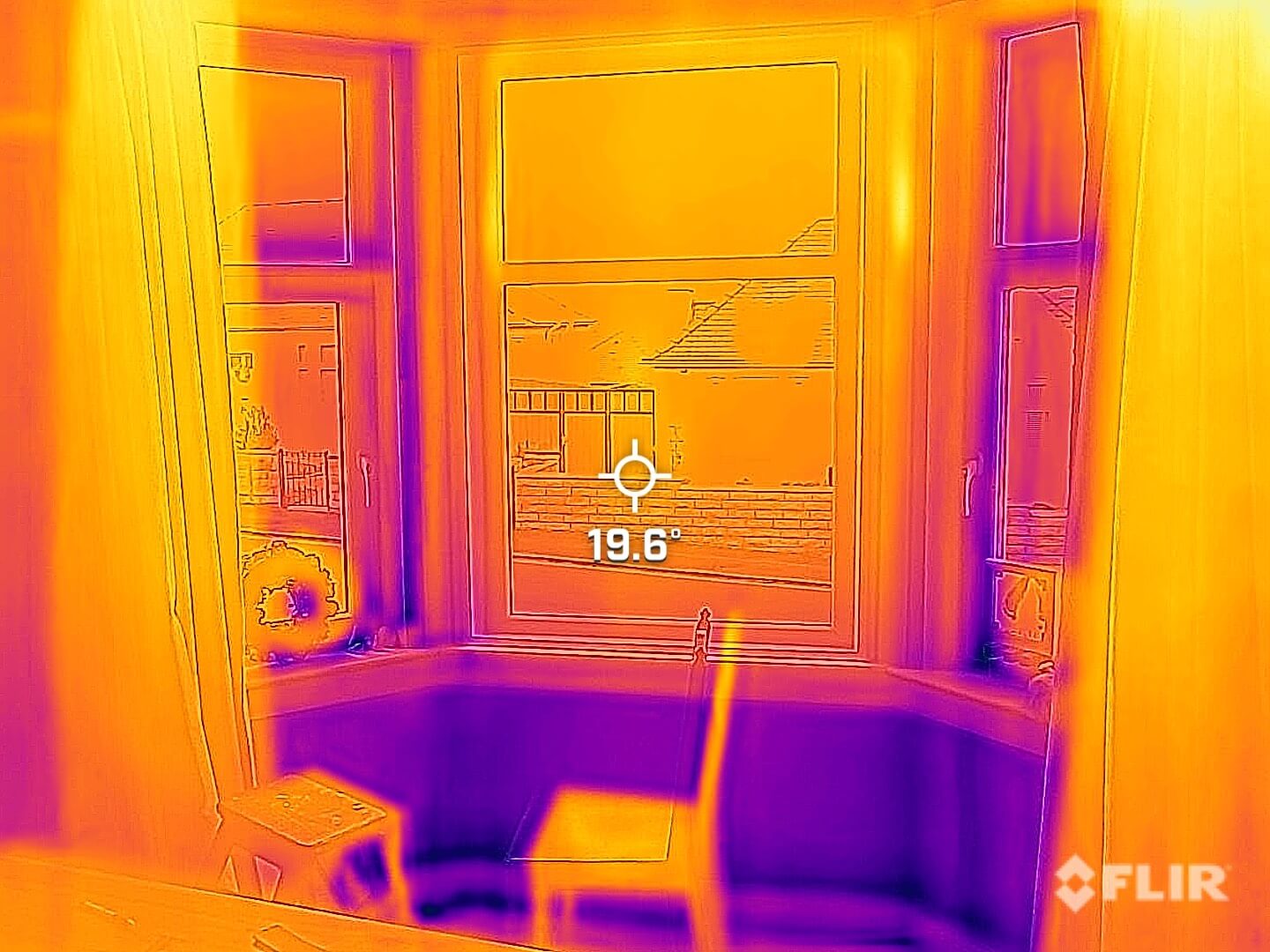
Replace single glazing with double- or triple-glazing. Consider secondary glazing if you are constrained by budget and/or planning permission in heritage buildings.
Suspended timber ground floors
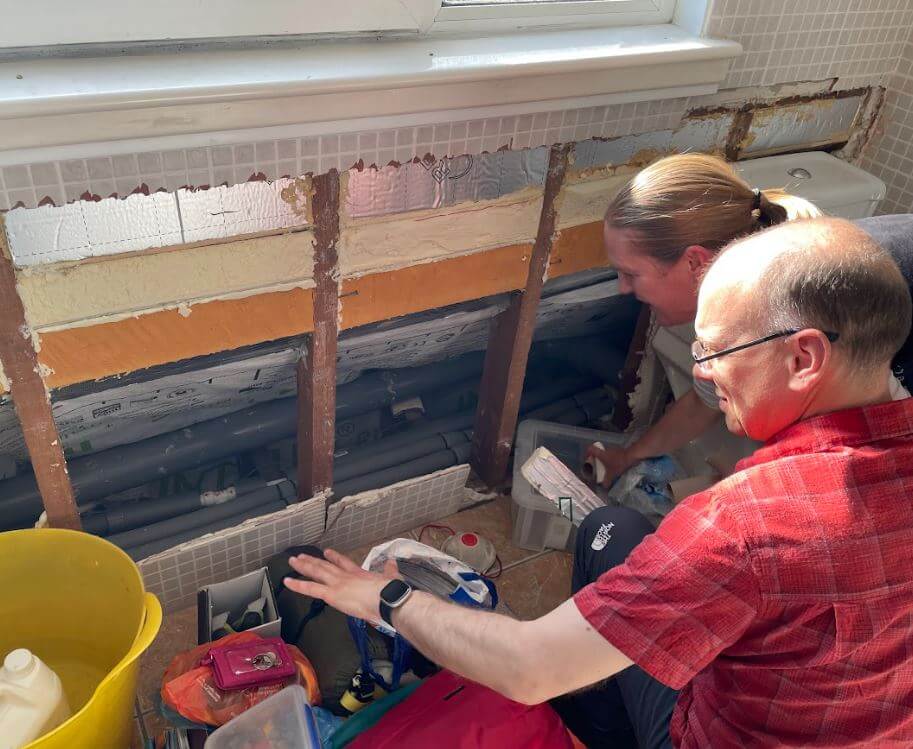
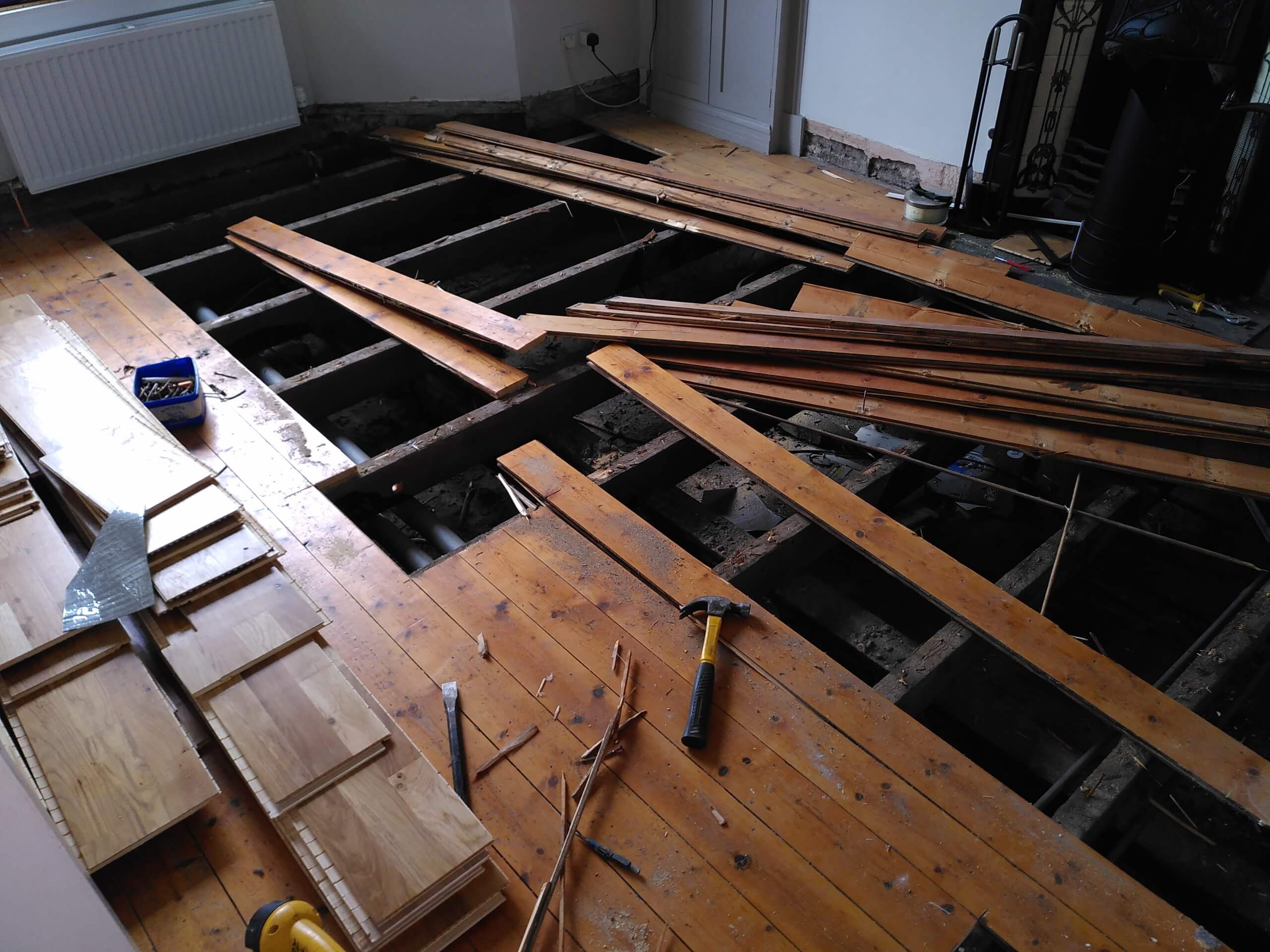
If there is space beneath your timber ground floor to apply insulation from below, then underfloor insulation can be a great way to improve comfort and reduce bills. Wool-type insulation is held securely against the floorboards between the floor joists (but without compressing the insulation).
Deeper Insulation
If you are aiming for much lower bills and a superior standard of thermal comfort then you may consider these additional measures. However these can be expensive and/or very disruptive if you have to remain living in the house.
Wall Insulation
There are three main types of wall:
Solid wall: usually sandstone in central Scotland and built before 1919. Adding insulation internally or externally can be expensive and/or prone to damp risks. It rarely pays for itself over a timeline acceptable to most households. We strongly recommend getting independent advice before committing.
‘Masonry cavity’: Two brick walls separated by an air gap of about 2 inches. Usually built mid-20th century in Scotland. Often retrospectively filled with insulation – look for a tell-tale pattern of drill holes externally. This is a low cost, undisruptive and effective measure applied from outside. Cavity wall insulation is often best avoided in properties that are highly exposed to wind driven rain, such as properties on the coast or on hillsides.
Timber frame: the typical construction since the 1980s in Scotland. A timber structure with plasterboard internally, usually brick-clad externally and with insulation in the middle. The most economic way to improve this is to ‘overboard’ – add a layer of insulated plasterboard on the interior.
Anything else is generally termed ‘system built’ and may have its own peculiarities that need special consideration.
Avoid Scams And Unreliable Traders
There is no such thing as a government solar incentive or window recycling scheme. These are dodgy sales schemes. Learn how to avoid other home energy scams on the Energy Savings Trust website.
We advise against responding to cold callers and door-knockers.
Get Further Help
Speak to Loco Home Retrofit to access independent, non-profit advice on which insulation and heating upgrades make most sense for you and your home. We can tell you how best to use your home improvement budget and access government grants.
Join the Loco Home co-operative to meet and learn from the experiences of other households.
If you are struggling to stay warm and pay your bills get help. Speak to Home Energy Scotland – the Scottish Government’s information line – about qualifying for the Warmer Homes Scotland support.

About the author: Chris Carus (MEng, MSc, Certified Passive House Consultant, PAS2035 Retrofit Assessor, AECB Carbonlite graduate, Heat Geek trained) Founder of Loco Home, Chris conceived Loco Home’s Whole Home Plan service in 2021 and has been improving it ever since. Chris has 18 years experience in industrialisation, QA and supply chains with Procter & Gamble.
Want to learn more? Chris talks about retrofit on the Zero Ambitions Podcast here (caution: bad language – but not from Chris!)

1870s Home Gets A Heat Pump
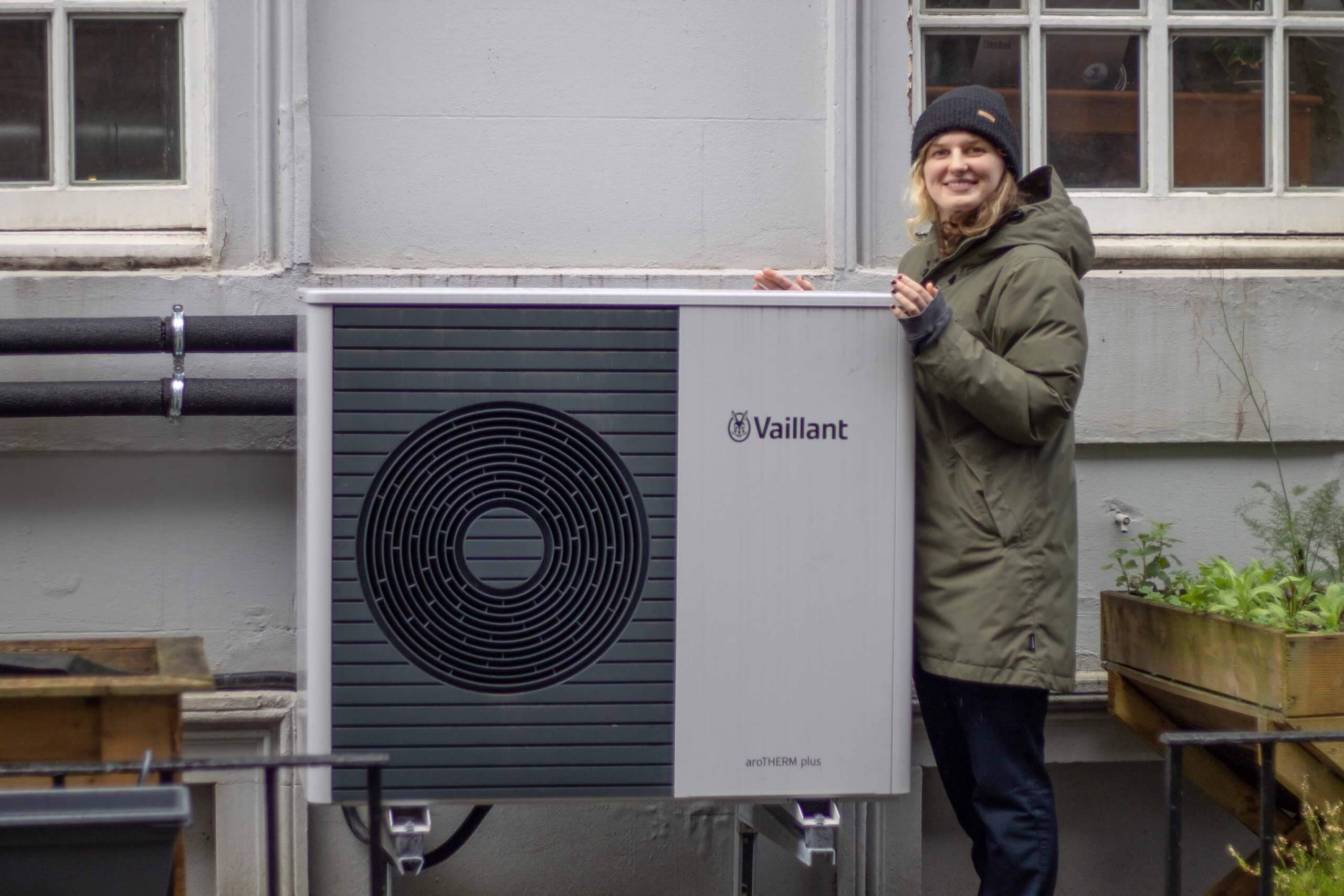
“It’s 19 degrees all the time now. The home is much more steady, comfortable, and cheaper. Our bills have gone down and the comfort has gone up.”
What Is Retrofit?
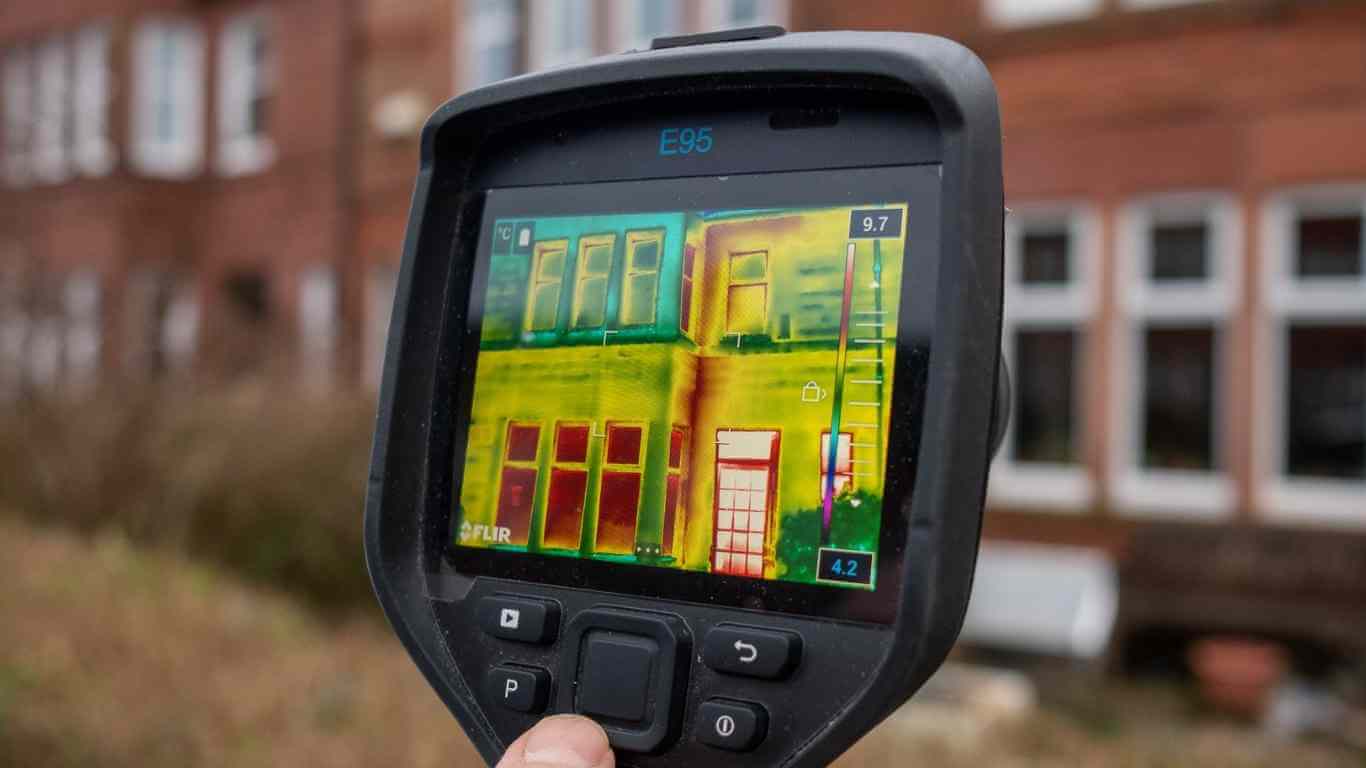
Retrofitting—the process of upgrading an existing building to improve how they feel and improving energy performance. When we talk about home retrofit, we mean fitting new energy efficiency measures and technology into your home, such as additional insulation, underfloor heating or a heat pump. This is to achieve better energy efficiency – which means lower…
How to Retrofit Your Glasgow Home: A Guide to Lower Bills and Net-Zero Living
retrofitting glasgow’s homes Glasgow is at a turning point. With a goal to reach Net-Zero by 2030, our city’s iconic but drafty sandstone tenements and gas-heated homes need a massive upgrade. Currently, 82% of Glasgow homes rely on gas, and 35% of our neighbors are facing fuel poverty. The Glasgow Housing Retrofit Position Statement (2025)…
Keeping the Heat in: A Realist's Guide to Lowering Scottish Energy Bills

Lowering Scottish Energy Bills Let’s be honest. Living in Scotland means we’re often fighting a losing battle against the weather. We have some of the least efficient housing in Europe, and when you combine 100-year-old stone walls with a damp, freezing winter, your heating bill starts to look like a phone number (or you are…
Inspired by Guy Martin's home without bills?

INSPIRED by guy MARTIN’S home without bills? If you’ve watched Guy Martin’s Home Without Bills on Channel 4 on Monday evening, you’ll have witnessed how an existing home can be transformed and made more efficient. Common Question: What heat Pump Does Guy martin have? Using Google lens, we can ascertain that his heat pump model…
ScotGov shouldn't Be Waiting for Westminster to take action on cold homes
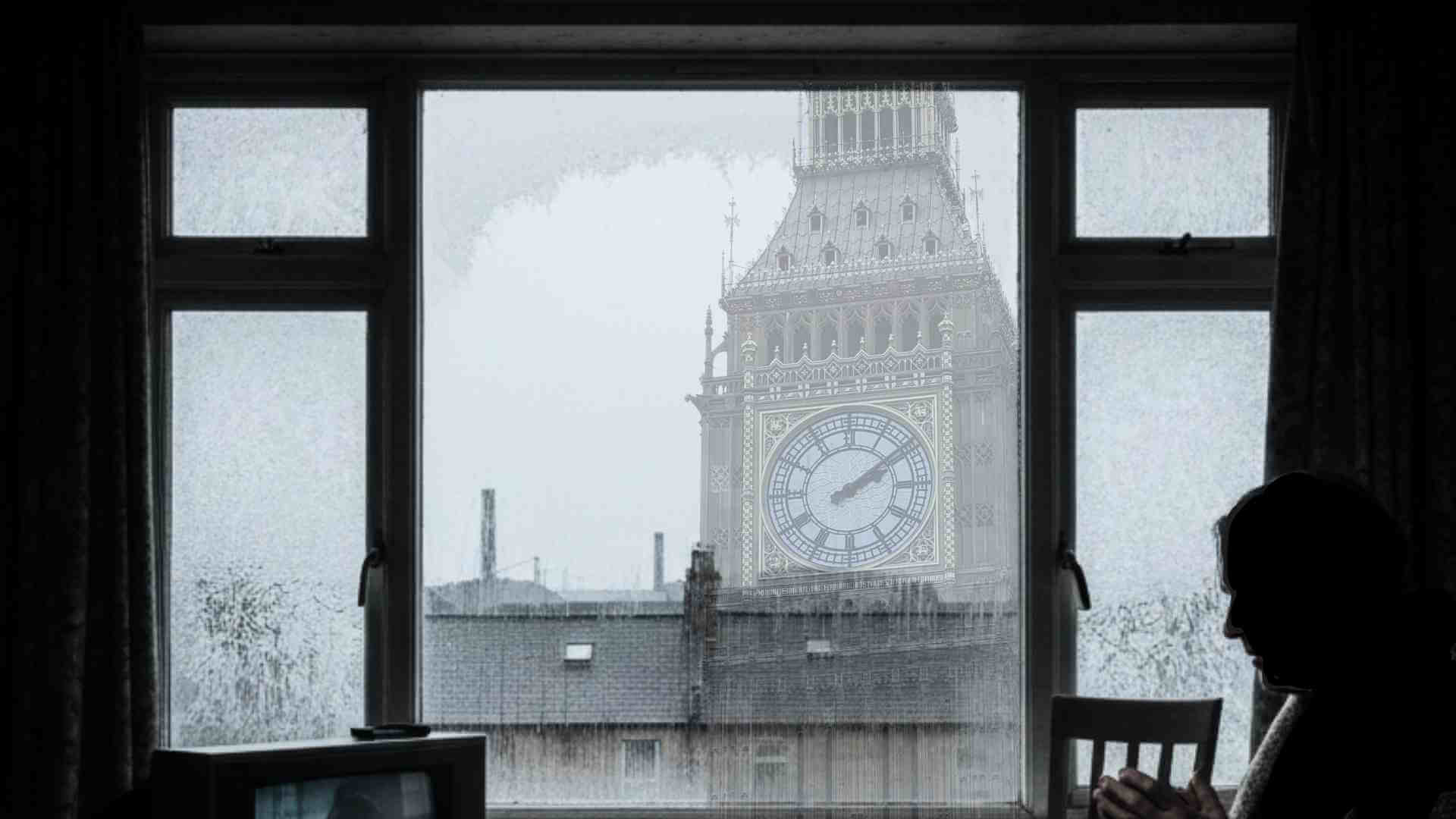
ScotGov shouldn’t Be Waiting for Westminster to take action on cold homes Chris Carus, Managing Director, Loco Home Retrofit CIC January has seen householders across Scotland digging themselves out of snowdrifts. While layering up against the chill, I’m been waiting for the imminent release of Westminster’s Warm Homes Plan. This plan which will show how they will make homes…