


Lowering Scottish Energy Bills
Let’s be honest. Living in Scotland means we’re often fighting a losing battle against the weather. We have some of the least efficient housing in Europe, and when you combine 100-year-old stone walls with a damp, freezing winter, your heating bill starts to look like a phone number (or you are under-heating your home and relying on hot water bottles and thermals indoors.)
As a retrofit co-op, we see people struggling with drafty homes and skyrocketing costs every day. But saving money isn’t just about “environmental aspirations.” It’s about keeping your feet warm without emptying your bank account.
the first (diy-friendly) step: Draught-Proofing
The quickest way to lose money is letting the air you’ve already paid to heat leak out of the house. In old Scottish homes, we deal with the “stack effect.” Warm air rises and escapes through the roof, which sucks cold air in through every gap in your floorboards and windows.
Where to Plug the Holes
You don’t need a contractor for most of this. A bit of DIY can go a long way.
| Location | Fix | Cost |
| Windows | Self-adhesive foam or brush strips | £5 – £25 |
| Door Bottoms | Brush or hinged-flap excluders | £10 – £20 |
| Letterboxes | Internal brush or flap covers | £5 – £12 |
| Loft Hatch | Rubber seals and a bit of insulation | £10 – £15 |
| Floor Gaps | Silicone or flexible filler | £5 per tube |
| Old Chimneys | A “chimney sheep” (wool plug) | £20 – £60 |
A word of caution: Don’t seal your house so tight that it can’t breathe. You need a bit of airflow to stop mold and damp from moving in. Never block your kitchen or bathroom extractor fans or those little “trickle vents” on the top of your windows.
which appliances might be a Drain on Your Electricity?
While heating the air is the big spender, your appliances are likely nibbling away at your budget while you sleep. “Vampire power” or phantom loads is the electricity used by gadgets on standby.
- Switch-Off: Turning things off at the wall can save the average Scottish home about £40 a year.
- The Kitchen Culprit: Only boil the water you actually need in the kettle. An electric kettle uses a massive amount of power—around 3.0 kW.
- Cooler Washes: Doing your laundry at 30°C instead of 40°C uses roughly half the energy.
Hot Water and Insulation
Heating water is usually the second-biggest expense on your bill. In Scotland, the water coming into your pipes is freezing in the winter, so your boiler has to work twice as hard.
Wrap Your Pipes
If you have a hot water tank, make sure it has a “jacket” at least 80mm thick. This costs peanuts but can save you £45 a year. You should also wrap the pipes (lagging) in unheated areas like lofts or crawl spaces. This doesn’t just save heat; it stops your pipes from bursting when the temperature drops below zero.
Managing Your Boiler Like a Pro
Most people never touch their boiler settings, but a small tweak can save you roughly £65 a year.
If you have a combi boiler (the kind without a tank), your “flow temperature” is probably set too high (around 70°C or 80°C). If you turn this down to 60°C, the boiler works much more efficiently. Your radiators won’t feel “burning hot” to the touch, and the house might take ten minutes longer to warm up, but the air will get to the same temperature for less money.
Watch the video below on improving boiler efficiency (starring Heat Geek’s Adam Chapman!)
Note: If you have a tank, keep your settings at 65°C to make sure the water stays safe from bacteria.
Getting Help with the Costs
You shouldn’t have to pay for all of this yourself. The Scottish Government has schemes to help, especially if you’re on a lower income or live in a remote area.
- Warmer Homes Scotland: This is for homeowners or private tenants struggling with bills. They can often cover the full cost of insulation or even a new heating system.
- Home Energy Scotland Grant: You can get a grant of up to £7,500 for a heat pump. If you live on an island or in a rural spot, that goes up to £9,000.
- Area-Based Schemes: Local councils in places like Glasgow and the Borders often target specific streets for free wall insulation.
We help all Loco Home customers identify what they’re entitled to and we can help you navigate the funding process.
Your Rights and Bill Disputes
If you get a bill that looks wrong, don’t panic. Under the “Back-billing Principle,” if your supplier made a mistake and didn’t bill you properly, they can’t charge you for energy used more than 12 months ago.
If you’re in a dispute:
- Write to them formally. Use your account number and be clear about the error.
- Wait eight weeks. If they don’t fix it, go to the Energy Ombudsman. Their decision is final, and they can force the company to apologize or pay you back.
Need a hand?
If you’re feeling overwhelmed by all the options, we can help you figure out which grants you’re eligible for or what your house actually needs.
1870s Home Gets A Heat Pump
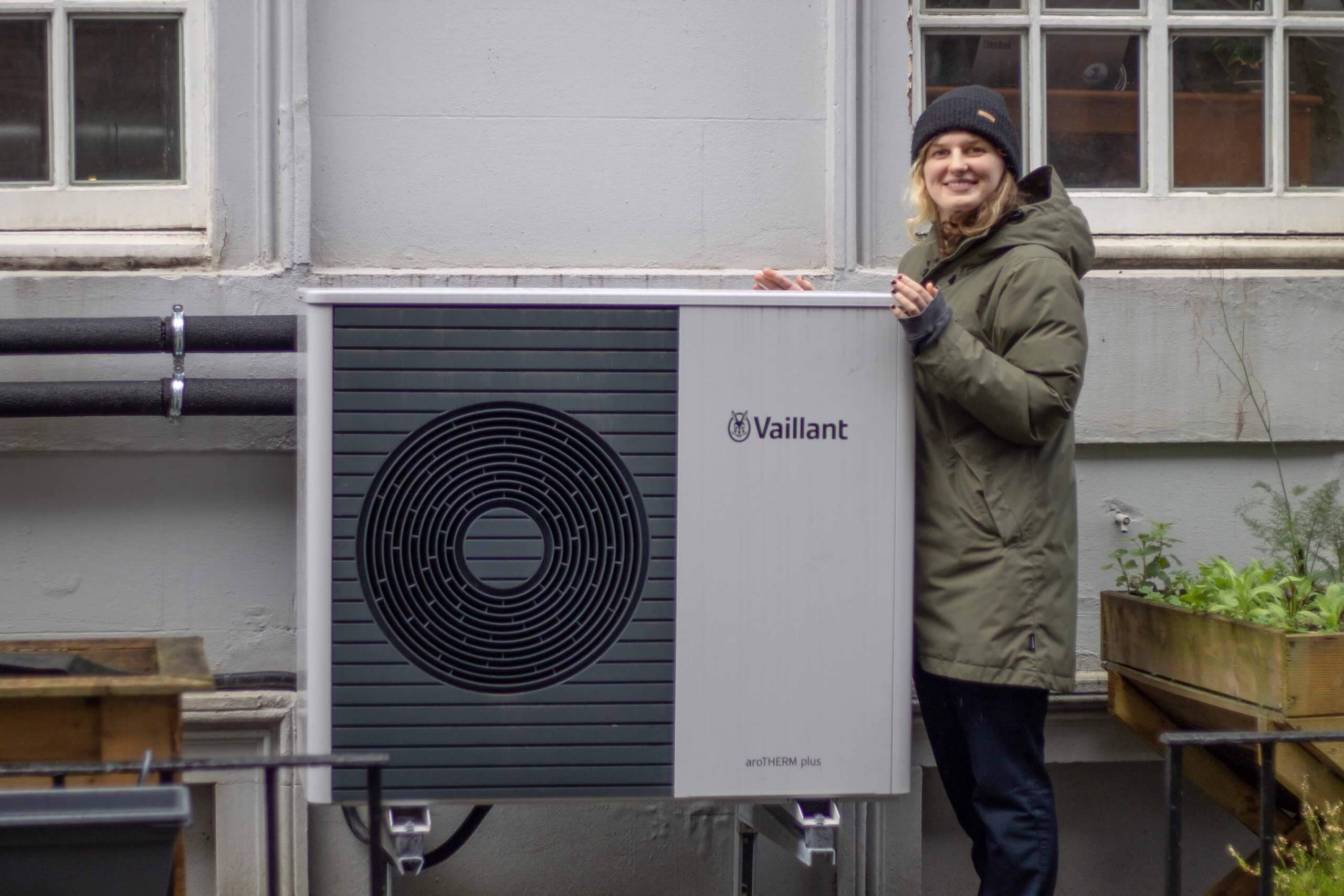
“It’s 19 degrees all the time now. The home is much more steady, comfortable, and cheaper. Our bills have gone down and the comfort has gone up.”
What Is Retrofit?
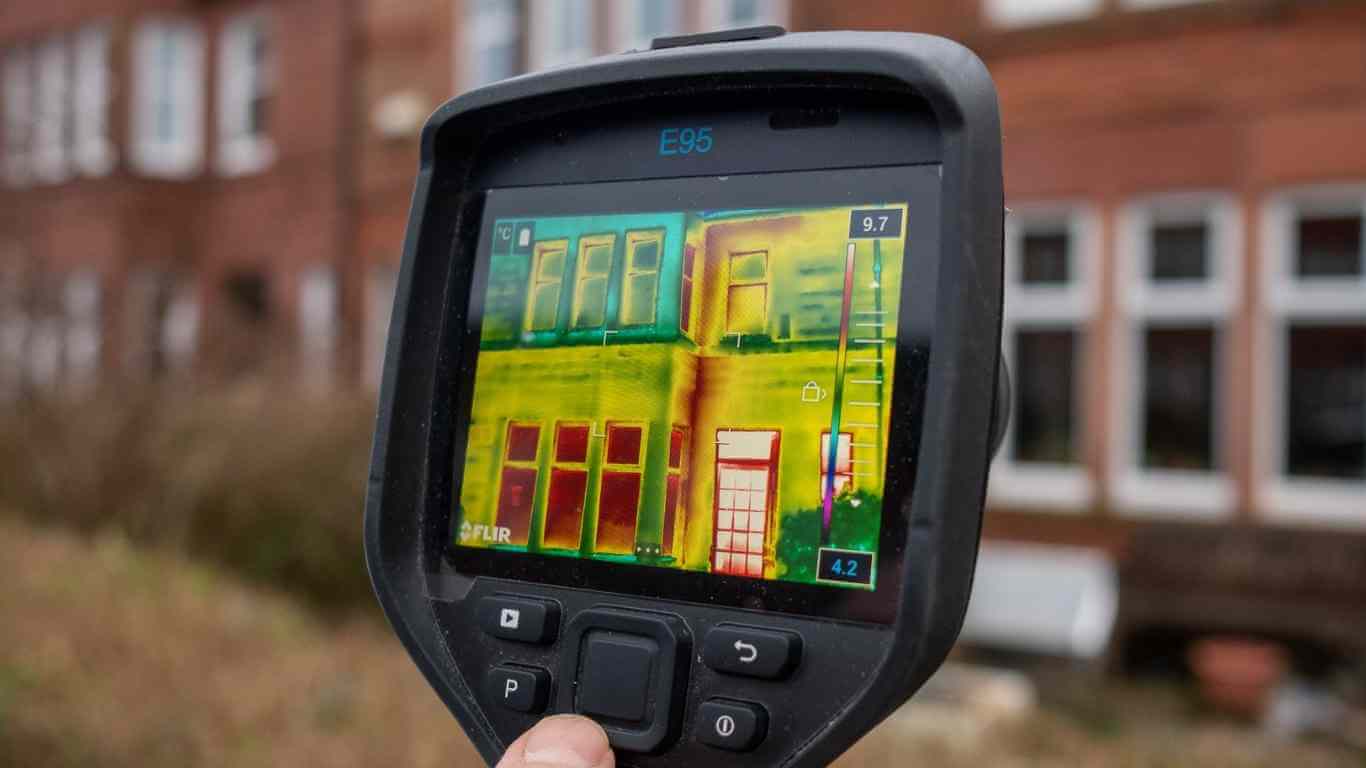
Retrofitting—the process of upgrading an existing building to improve how they feel and improving energy performance. When we talk about home retrofit, we mean fitting new energy efficiency measures and technology into your home, such as additional insulation, underfloor heating or a heat pump. This is to achieve better energy efficiency – which means lower…
How to Retrofit Your Glasgow Home: A Guide to Lower Bills and Net-Zero Living
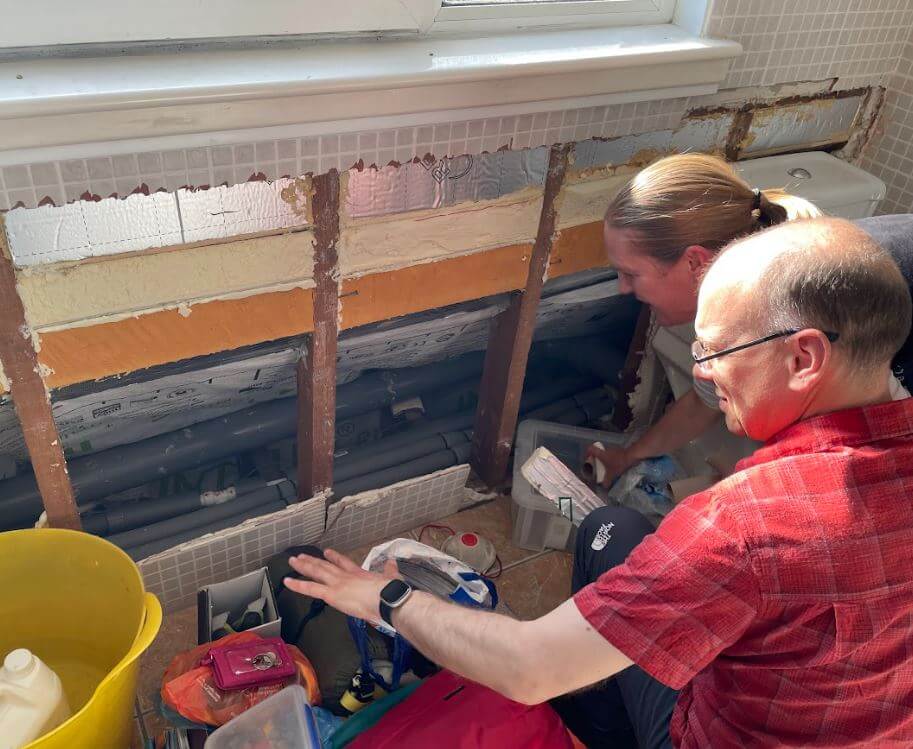
retrofitting glasgow’s homes Glasgow is at a turning point. With a goal to reach Net-Zero by 2030, our city’s iconic but drafty sandstone tenements and gas-heated homes need a massive upgrade. Currently, 82% of Glasgow homes rely on gas, and 35% of our neighbors are facing fuel poverty. The Glasgow Housing Retrofit Position Statement (2025)…
Keeping the Heat in: A Realist's Guide to Lowering Scottish Energy Bills

Lowering Scottish Energy Bills Let’s be honest. Living in Scotland means we’re often fighting a losing battle against the weather. We have some of the least efficient housing in Europe, and when you combine 100-year-old stone walls with a damp, freezing winter, your heating bill starts to look like a phone number (or you are…
Inspired by Guy Martin's home without bills?

INSPIRED by guy MARTIN’S home without bills? If you’ve watched Guy Martin’s Home Without Bills on Channel 4 on Monday evening, you’ll have witnessed how an existing home can be transformed and made more efficient. Common Question: What heat Pump Does Guy martin have? Using Google lens, we can ascertain that his heat pump model…
ScotGov shouldn't Be Waiting for Westminster to take action on cold homes
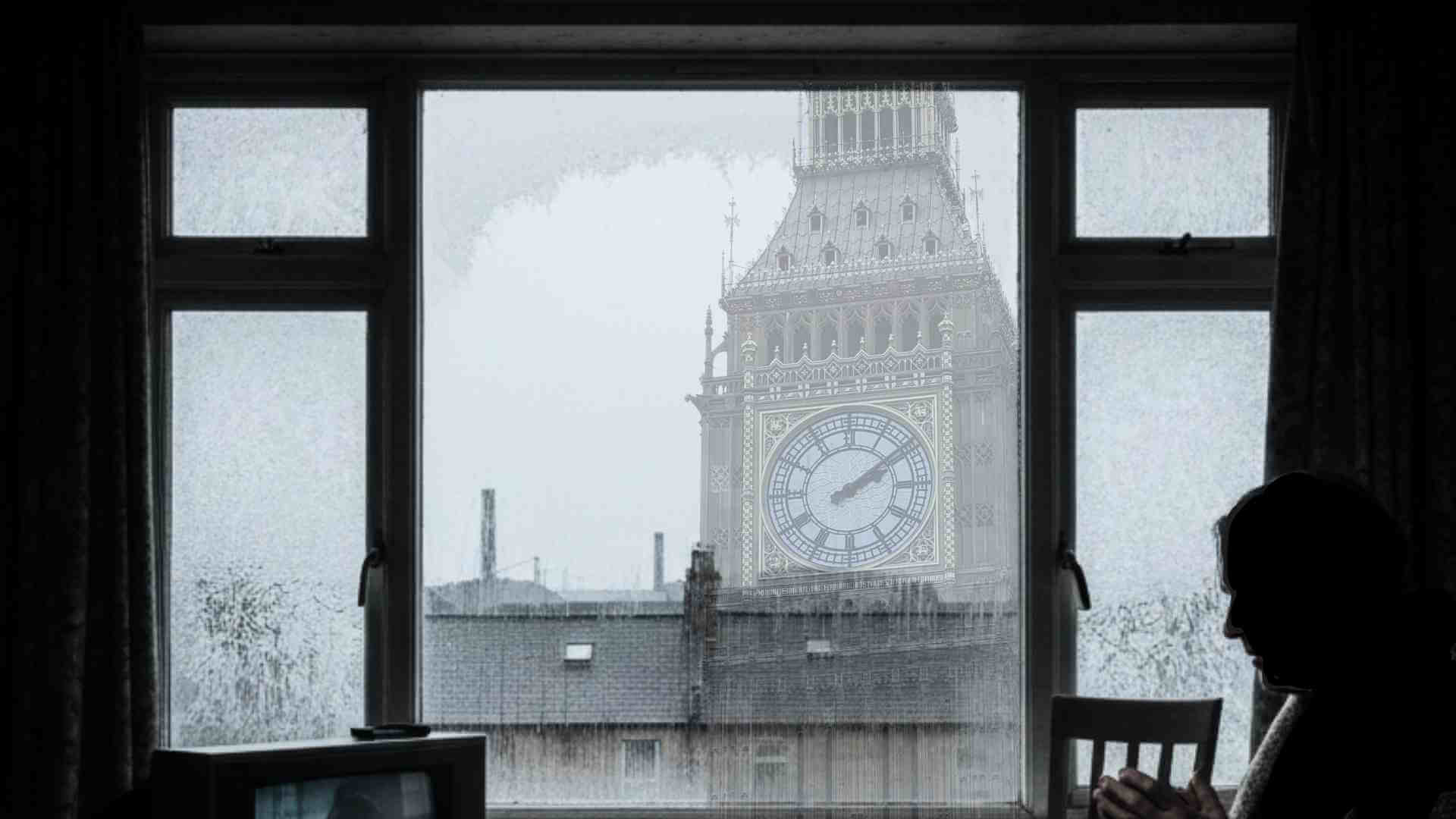
ScotGov shouldn’t Be Waiting for Westminster to take action on cold homes Chris Carus, Managing Director, Loco Home Retrofit CIC January has seen householders across Scotland digging themselves out of snowdrifts. While layering up against the chill, I’m been waiting for the imminent release of Westminster’s Warm Homes Plan. This plan which will show how they will make homes…
The information in the article was compiled from a range of authoritative organisations, government bodies, and research institutions. Below is a list of the primary sources categorised by the type of support and information they provide:
Official Advice and Funding Services
- Home Energy Scotland (HES): The primary source for impartial advice on energy efficiency, grant/loan eligibility (including the HES Grant and Loan scheme), and practical household tips.
- Energy Saving Trust (EST): Provided technical standards for insulation, draught-proofing, and the impact of behavioral changes.
Government and Legislative Bodies
- Scottish Government (gov.scot): Sources for the national Climate Change Plan, statutory fuel poverty targets, and the “Heat in Buildings” strategy.
- UK Parliament Publications: Evidence reviews on the costs and challenges of home retrofitting.
- Ofgem: The regulator provided the current energy price cap rates and standing charges for 2026.
Program Delivery and Local Support
- Warmworks / Changeworks: Managing agents for the national Warmer Homes Scotland scheme, providing impact data and eligibility insights.
- Glasgow City Council: Details on local “Area Based Schemes” and 2025/26 funding allocations for the city.
- URL: glasgow.gov.uk
- Scottish Borders Council: Information on rural-specific grant priorities.
- URL: scotborders.gov.uk
Research and Technical Expertise
- Nesta (Innovation Charity): Provided the primary data and interactive tool guidance for reducing boiler flow temperatures to save gas.
- Historic Environment Scotland: Guidelines for draught-proofing traditional and heritage buildings.
- ClimateXChange: Evidence reviews on retrofit pathways and the investment gap in Scotland.
Consumer Rights and Comparison
- Citizens Advice / Citizens Advice Scotland: Templates for formal complaints to energy suppliers and advice on the “Back-billing Principle”.
- Technical Consumer Data: Detailed appliance consumption figures and “vampire power” costs were sourced from EDF Energy, CNET, and Palmetto.