



How heat pumps counteract the second law of thermodynamics
De-Mystifying Domestic Heat Pumps: Sizing, Efficiency & Economics
1. Where Does the Heat Go?
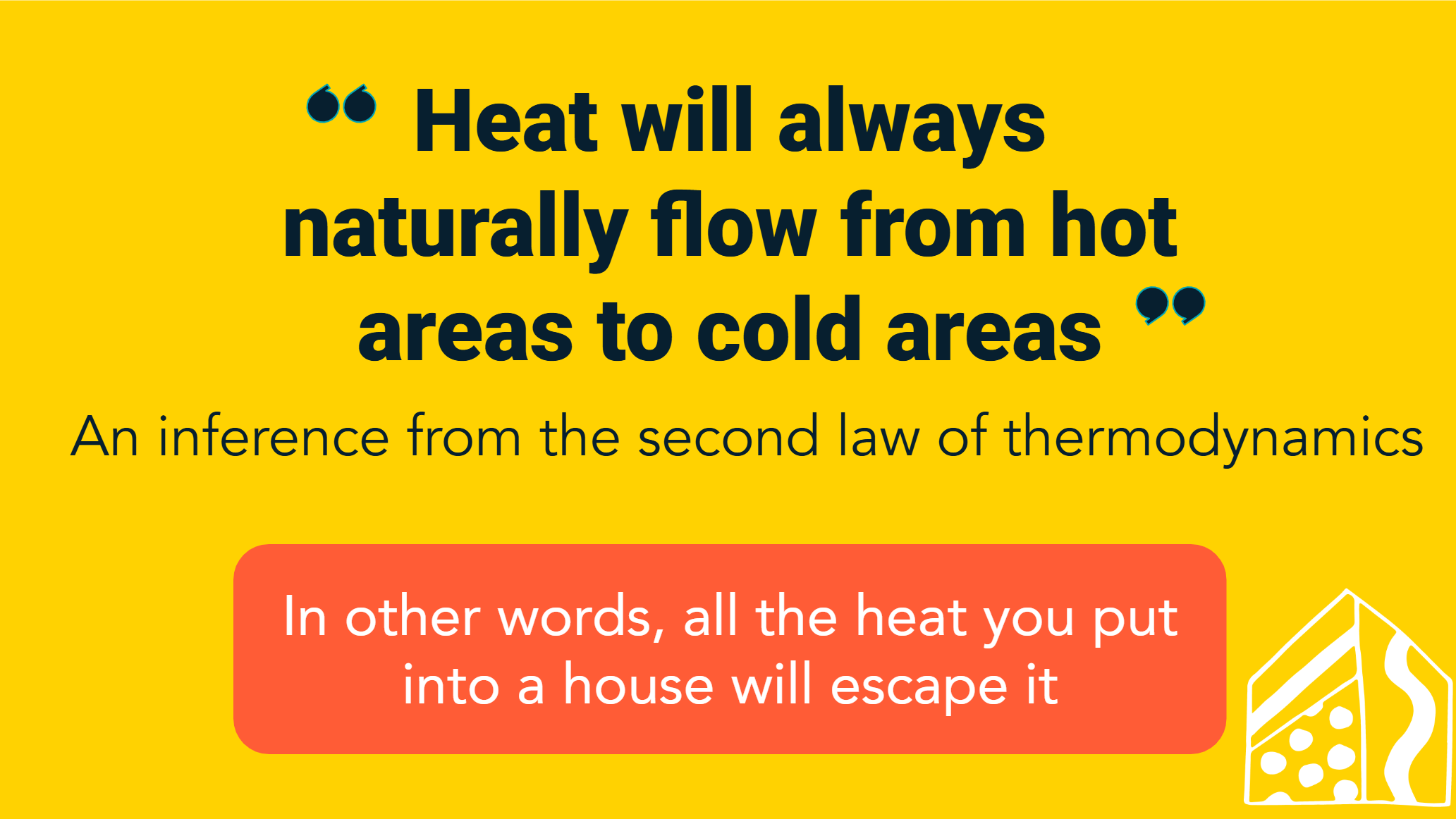
Every joule of heat you pump into a home inevitably leaks outdoors. That is the Second Law of Thermodynamics at work: heat spontaneously moves down a thermal gradient from warmer to cooler areas until equilibrium is reached.
The central question is not if your house leaks heat, but how fast. Most UK and Scottish homeowners overestimate their peak demand:
- A typical detached or semi-detached house on a sub-zero design day (e.g., -3°C to -5°C) rarely requires more than 7 kW to 12 kW of continuous thermal output.
- Why do people think they need a 24 kW to 35 kW boiler? Because combi boilers are sized for instant domestic hot water, not space heating.

2. Working Out Your Peak Heat Load
You do not have to guess; you can calculate your peak demand using two distinct methods.
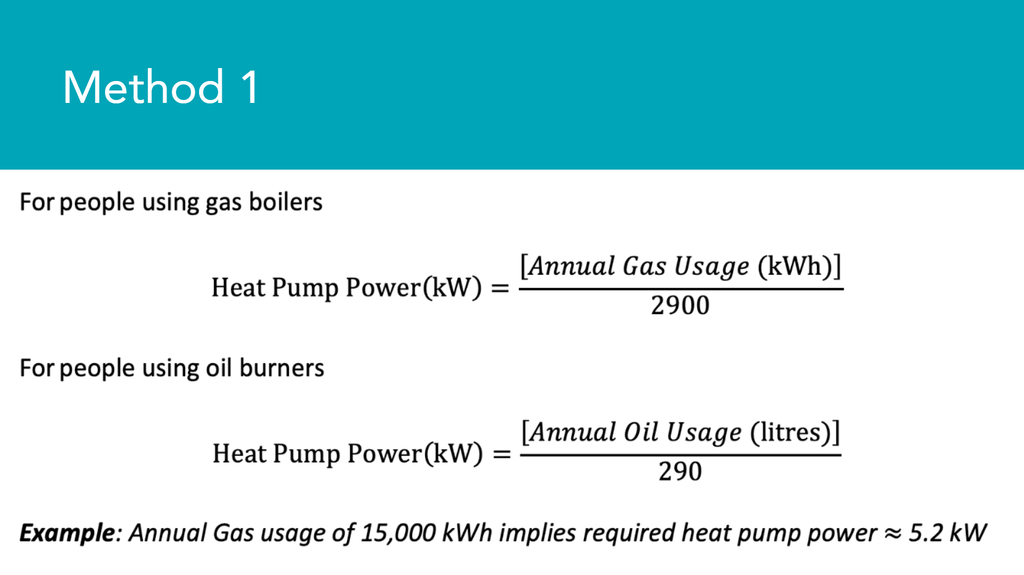
Method 1: The Empirical Method (On-the-Spot Energy Bills)
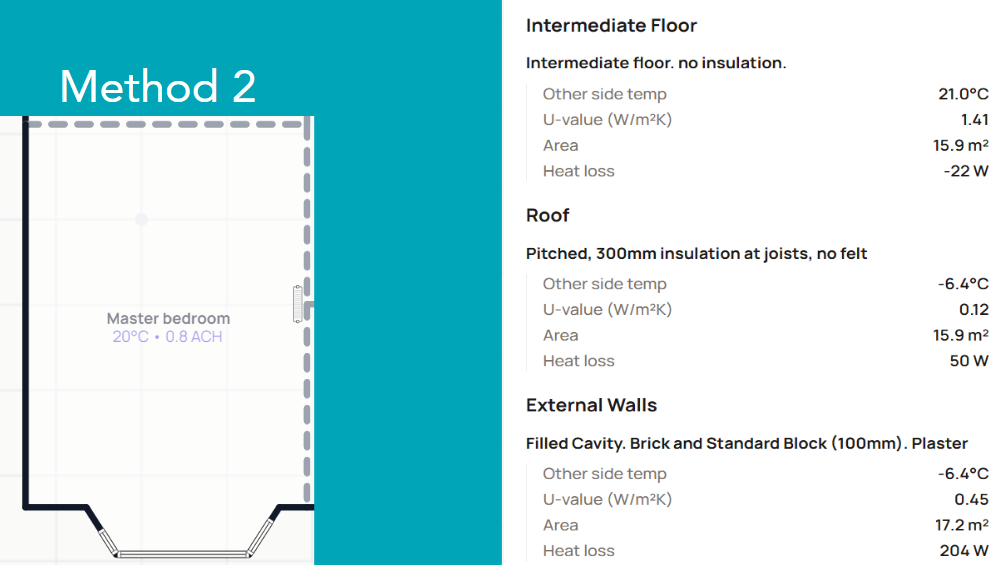
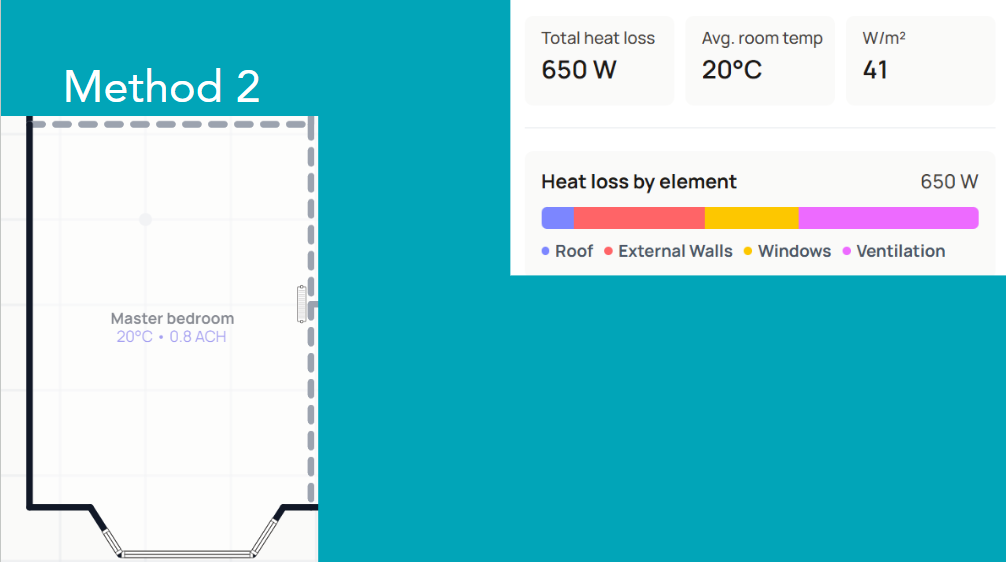
Method 2: Room-by-Room Element Calculation
For a precise engineering assessment (e.g., via survey tools like Spruce):
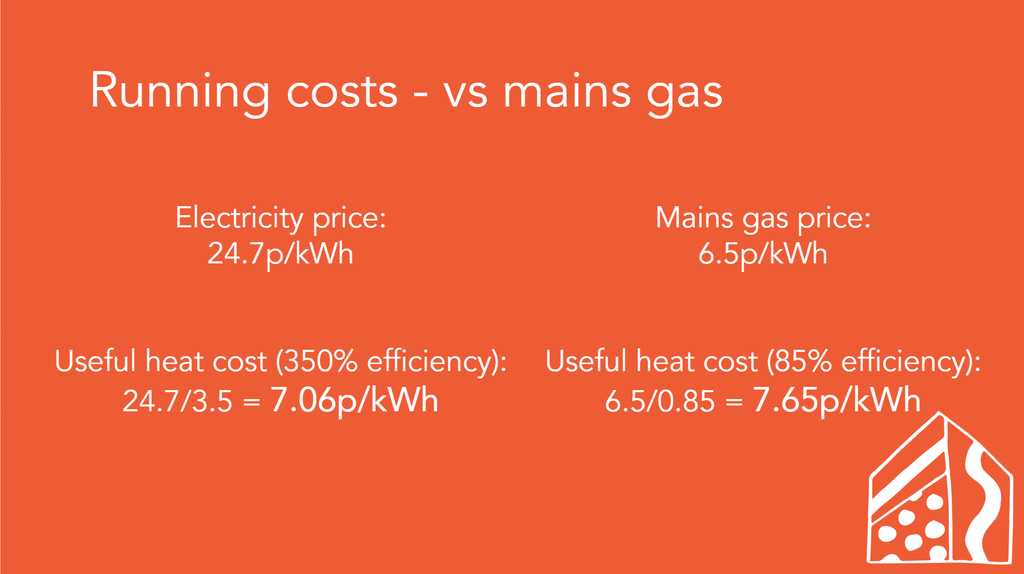
3. Running Costs & Parity
5. The Big Question: “Do I Need Insulation First?”
The short answer: No, but insulation reduces the size and cost of the heat pump.
- The Physics Parity: A kilowatt is a kilowatt. If a 10 kW fossil fuel boiler can keep your drafty stone home warm, a 10 kW heat pump will keep it equally warm. Heat energy does not care where it was sourced.
- The Sizing Implication: Adding insulation drops the peak heat loss from, say, 12 kW down to 7 kW, which allows you to install a smaller, cheaper heat pump and smaller radiators. But uninsulated properties are successfully heated by heat pumps all over northern Europe every winter.
Local Heritage Note: The UK’s heating systems have continually evolved. Biggar Gasworks in South Lanarkshire—the only preserved town gas works in Scotland—is now a museum preserving the era when gas had to be laboriously manufactured locally from coal. Transitioning from fossil gas to low-carbon electrical heat pumps is simply the next step in that long trajectory.